

Marker-assisted selection (MAS) in racing pigeons
02/12/2024
The genetic code of the racing pigeon, simply explained.
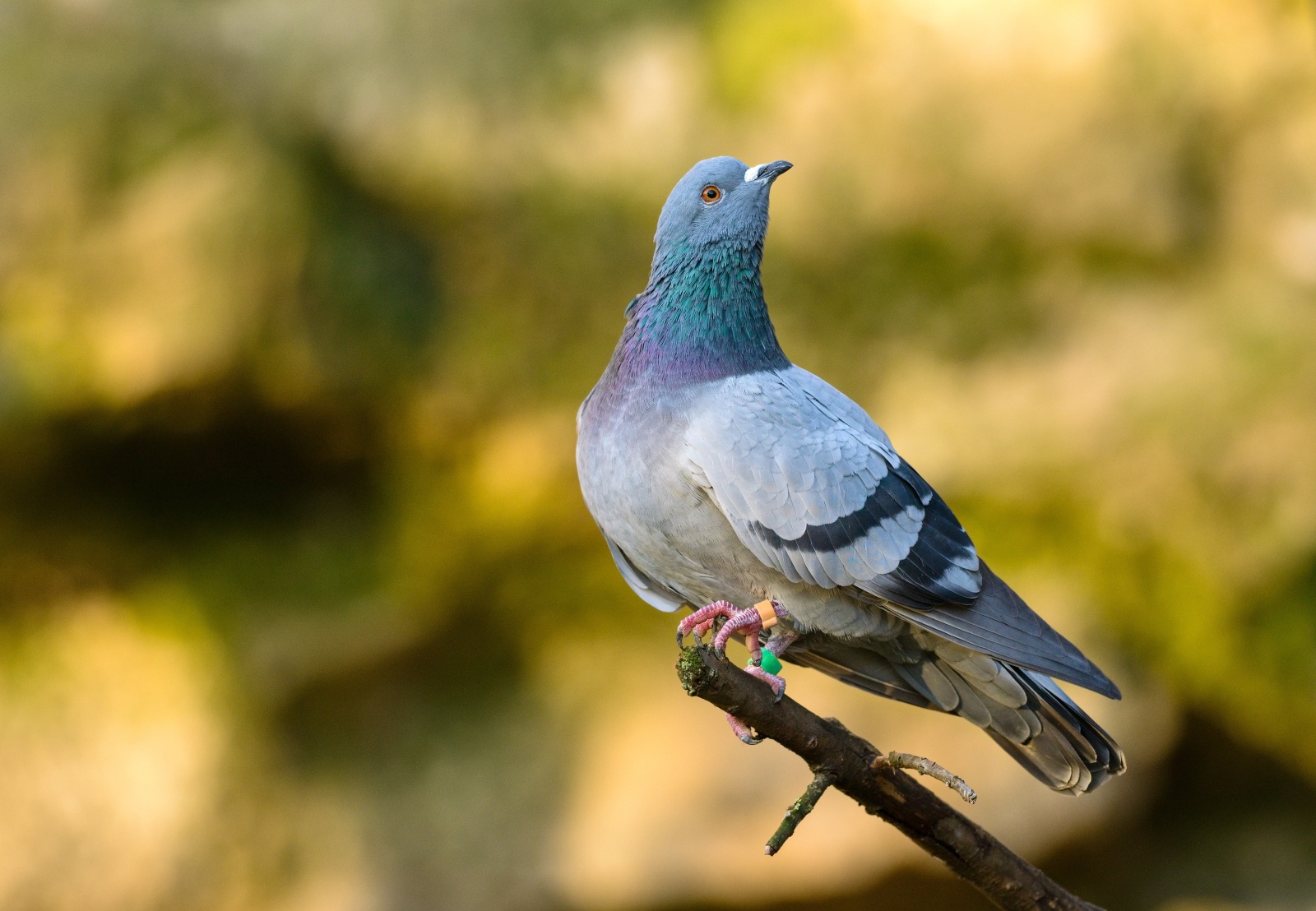
Genetics simply explained:
Imagine that every pigeon carries a unique cookbook. This cookbook contains chapters that we call chromosomes. Each chapter contains specific recipes called genes. Each recipe consists of special letters called nucleotides: adenine (A), thymine (T), cytosine (C) and guanine (G). These nucleotides form the basis of DNA and are the basic ingredients of every recipe in the cookbook. These recipes determine everything about the pigeon: the colour of the feathers, the colour of the eyes, the body build, and so on.
There are always different variations of the same recipe: there are blue pigeons, white pigeons, chequered pigeons, black pigeons, and so on. These variations in the gene for feather colour are called alleles. In pigeons, for example, there can be one allele that causes white feathers and another allele that causes blue feathers. The specific pair of alleles a pigeon has for a particular gene, for example for feather colour, is called that pigeon's genotype. The genotype is therefore the exact version of the recipe in the pigeon cookbook. But the pigeon's outward characteristics, such as the colour of its feathers, are called the phenotype. This depends, among other things, on the combination of alleles and gene expression. So while the genotype describes the instructions in the recipe, the phenotype is the actual cake baked according to the recipe.
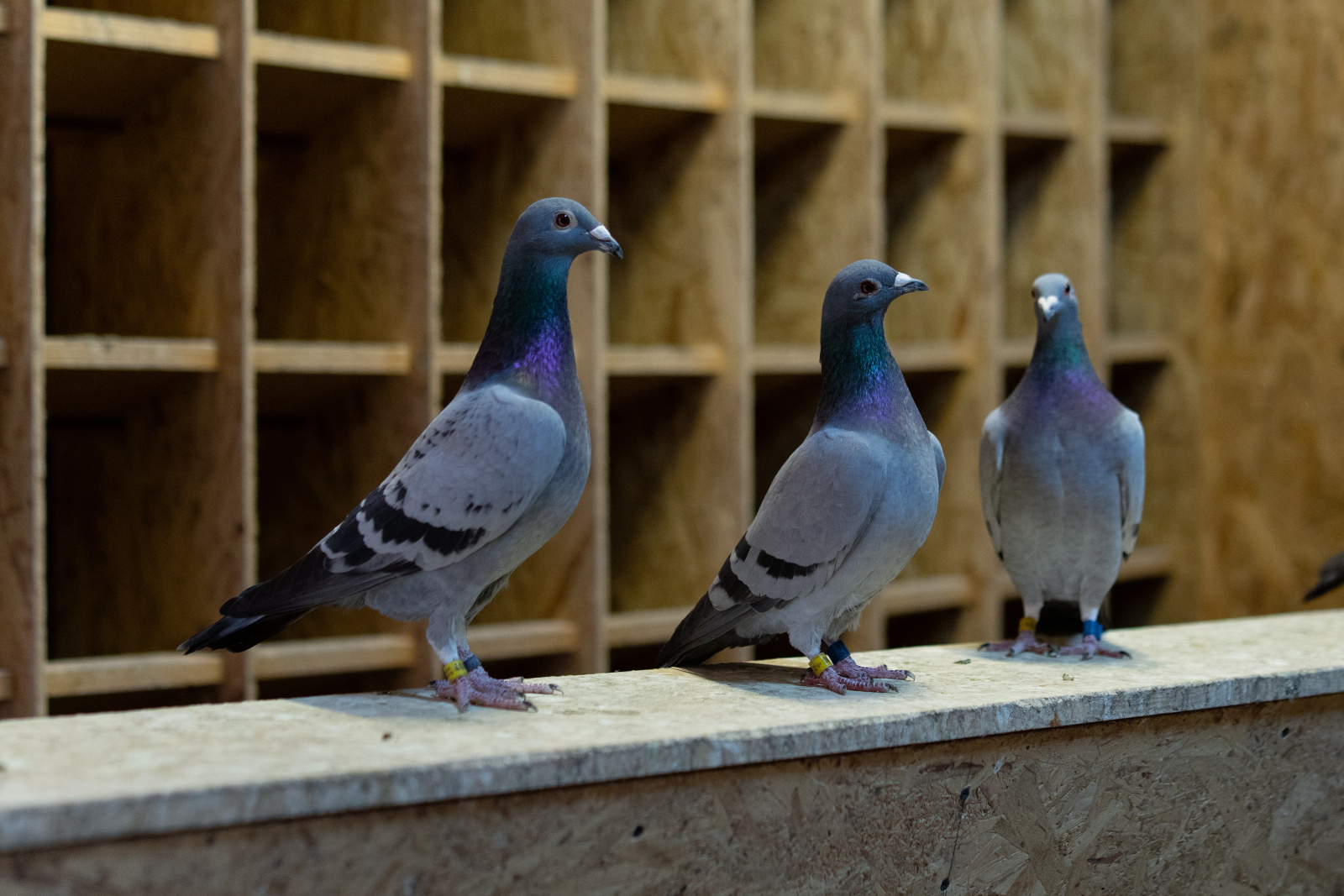
An example:
Most pigeons in the wild have the LDHAGG genotype. We call this common, typical recipe for the LDHA gene the wild type. The other allele that occurs at this locus, LDHAA, can be regarded as a variation or mutation of the wild type. Whether this mutation has an effect on the pigeon must always be carefully investigated.
The influence of ancestry
Pigeons, like humans, have two copies of each chromosome (or chapter in the cookbook). That means they have two alleles of each gene, which together form their genotype. This double set of chromosomes makes the pigeon diploid. When pigeons reproduce and lay eggs, they pass on only half of their chromosomes to their young. This means that for each chapter in the cookbook, the young bird receives one chromosome from the father and one chromosome from the mother. The young bird therefore receives a mix of genes (or recipes) from both parents. Depending on the mix of alleles it receives, it will have its own unique genotype, and this genotype will ultimately influence the young bird's phenotype.